Reports
2025 Electric Report
Infused with insights from 500 U.S. energy industry stakeholders, Black & Veatch’s 2025 Electric Report is the benchmark to see where you stand — and where to lead next.

Developing the skilled trades workforce essential to support energy security, infrastructure expansion
The backbone of America’s energy and infrastructure systems — from power transmission lines and solar farms to data centers and utility‑scale projects — depends on a highly skilled workforce. But as demand for energy infrastructure and grid modernization continues to rise, the supply of experienced craft labor is falling behind.
This skilled trades workforce shortage has been building for decades. Electricians, welders, pipefitters and heavy equipment operators — the workers who deliver critical infrastructure construction projects — are in increasingly short supply. As the workforce ages and more experienced tradespeople retire, new talent simply isn’t entering the field fast enough to replace them.
According to the Black & Veatch 2025 Electric Report, the challenge is becoming more urgent. Nearly half a million new workers will be needed to support the rapid expansion of the nation’s power infrastructure, as utilities race to modernize aging assets, meet rising electricity demand and deliver projects on tighter timelines.
When that labor gap goes unfilled, the impacts are real. Projects take longer, productivity and quality can suffer, and both safety risks and costs tend to rise. For the construction and energy sectors, workforce availability has become a critical constraint on growth.
At the heart of the issue is a generational shift. Fewer young people are entering the trades, recruitment from non‑traditional labor pools remains limited, real wages have struggled to keep pace, and outdated perceptions about construction careers persist. Together, these factors continue to strain the infrastructure workforce pipeline.
That’s where paid apprenticeships and workforce development programs come in. Long underutilized outside vocational education, apprenticeships are increasingly seen as a practical, long‑term solution for rebuilding the skilled trades. As highlighted in the Black & Veatch report, apprenticeship, reskilling and training programs will be essential to supporting a more complex, digitally enabled electric grid.

As the energy transition accelerates, federal incentives such as Infrastructure Investment Act tax credits are helping drive growth in renewables and infrastructure construction — even as labor shortages persist. Meeting that demand requires a new approach to talent development.
Black & Veatch has taken on that challenge through a structured apprenticeship program designed to prepare workers for roles they may not have previously qualified for — a concept known as upskilling. The program emphasizes safety, hands‑on learning and long‑term career development across construction trades and power delivery.
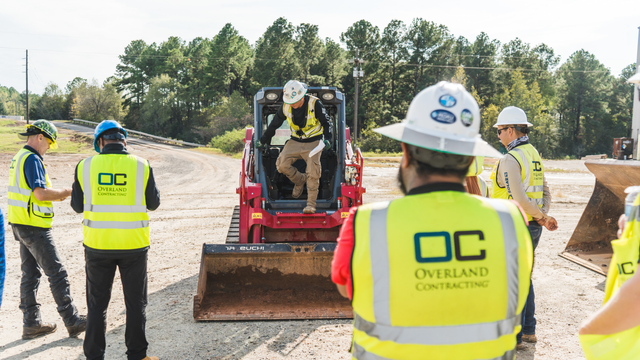
Early training focuses heavily on safety fundamentals, including tool use, working at heights and reading construction drawings. From there, apprentices gain closely supervised field experience complemented by federally approved classroom training. Programs vary by role, with equipment operators completing multi‑year tracks aligned with industry standards.

Since launching in late 2022 in Utah, the apprenticeship program has enrolled hundreds of apprentices across multiple states in craft construction, equipment operation, electrician and power line work.
"We don’t make everyone start at zero,” said Tiffany McMillan, who began her own career as an apprentice and now leads Black & Veatch’s apprenticeship program. “That flexibility helps us attract a more diverse workforce and move experienced individuals into meaningful roles faster.”
We’re not just training workers for Black & Veatch. We’re strengthening the industry as a whole,”
Tiffany McMillan
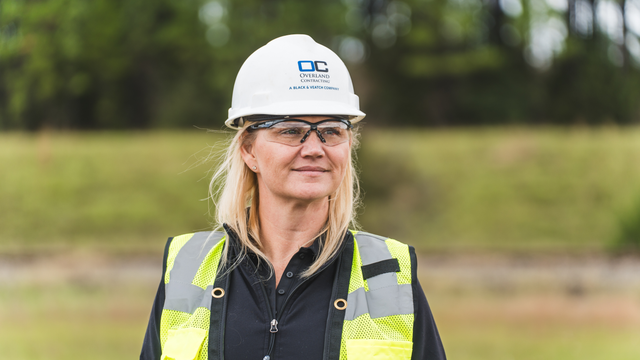
Most apprenticeship graduates — including underrepresented demographics such as women, minorities and veterans — become leaders as foremen, superintendents, or site or project managers. Given the debt-free pathway to middle-class careers, they’re likelier to loyally stick with the company that trained them and valued them with a path forward.
“Not everyone can join, but those who do receive valuable skills. If you’re willing to work hard, we’ll guide you,” McMillan said. “There’s a trade-off, but the investment pays off in safer, more productive teams.”
That’s not to say apprenticeships universally work in retaining those who enroll; industry standards suggest there’s a 25% annual attrition rate, with some apprentices leaving the sector as others defect to other construction interests.
But for Black & Veatch and its Overland Contracting Inc. (OCI) subsidiary, being passive isn’t an option.
“If we don’t invest in apprenticeships, the shortage will worsen” to possibly 2 million in the next decade, said Scott Reinhart, a Black & Veatch construction support and processes department manager.
Ultimately, building a strong infrastructure workforce requires the industry’s commitment. Apprenticeships may seem like incremental progress, but their impact is cumulative. By investing in people, supporting diversity and creating clear career pathways, companies can help power not just the next generation of projects but the next generation of professionals.
“Every contractor is in the same boat we are, right? They all need more qualified workers,” McMillan said, calling the Black & Veatch apprenticeship approach to the issue “life-changing, and I get emotional talking about it because I believe in it 100%.”
With Reinhart, she’s convinced that fostering talent, supporting diversity and ensuring a sustainable workforce does more than simply power tomorrow’s projects. Apprenticeships power careers, and for those willing to take the leap, the rewards are real — not just a job, but a career and a chance to build the future, one project at a time.
Apprentices “don’t need to know everything on day one,” McMillan said. “What matters is your willingness to learn and grow. The opportunities in this field are endless.”