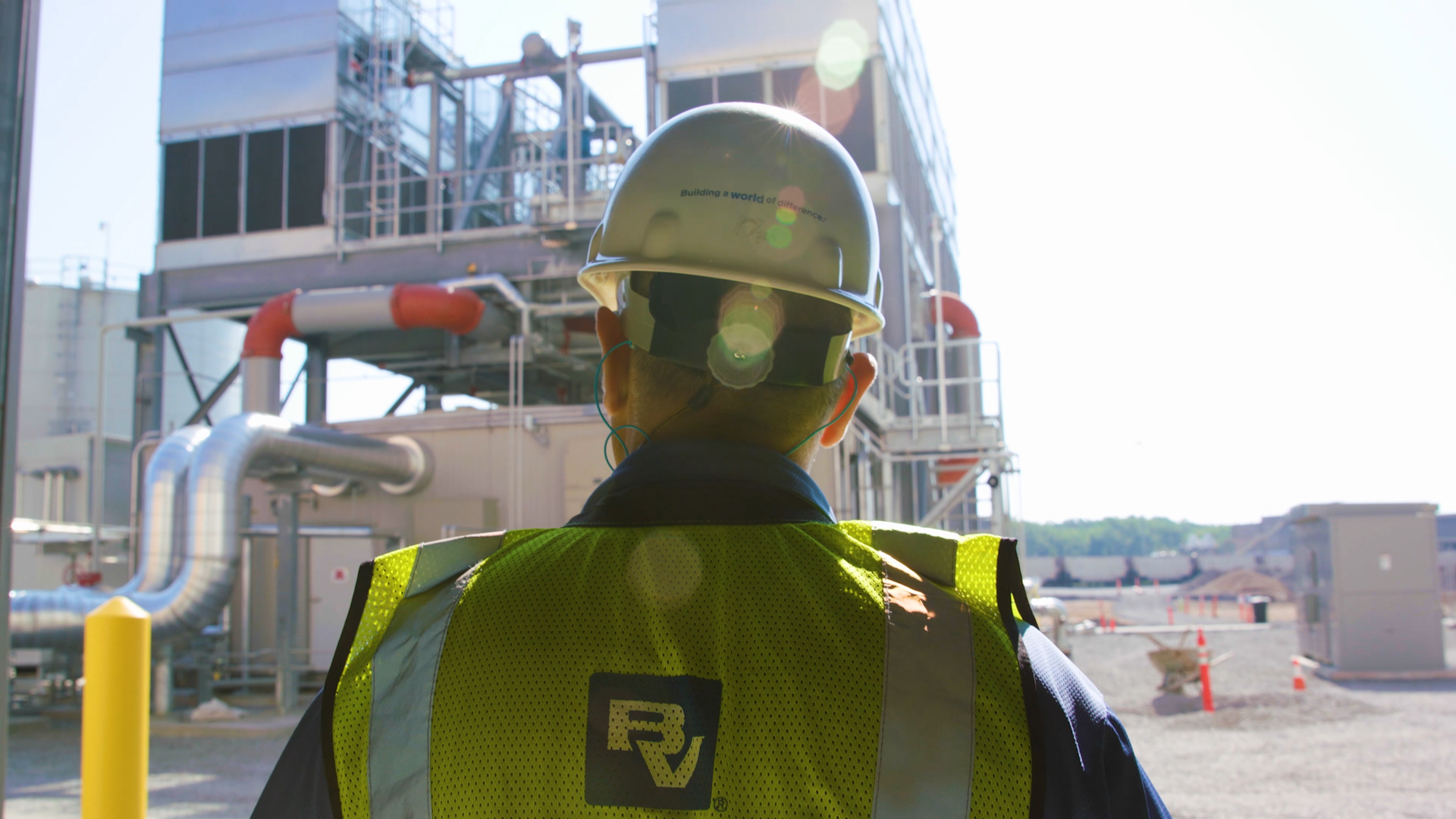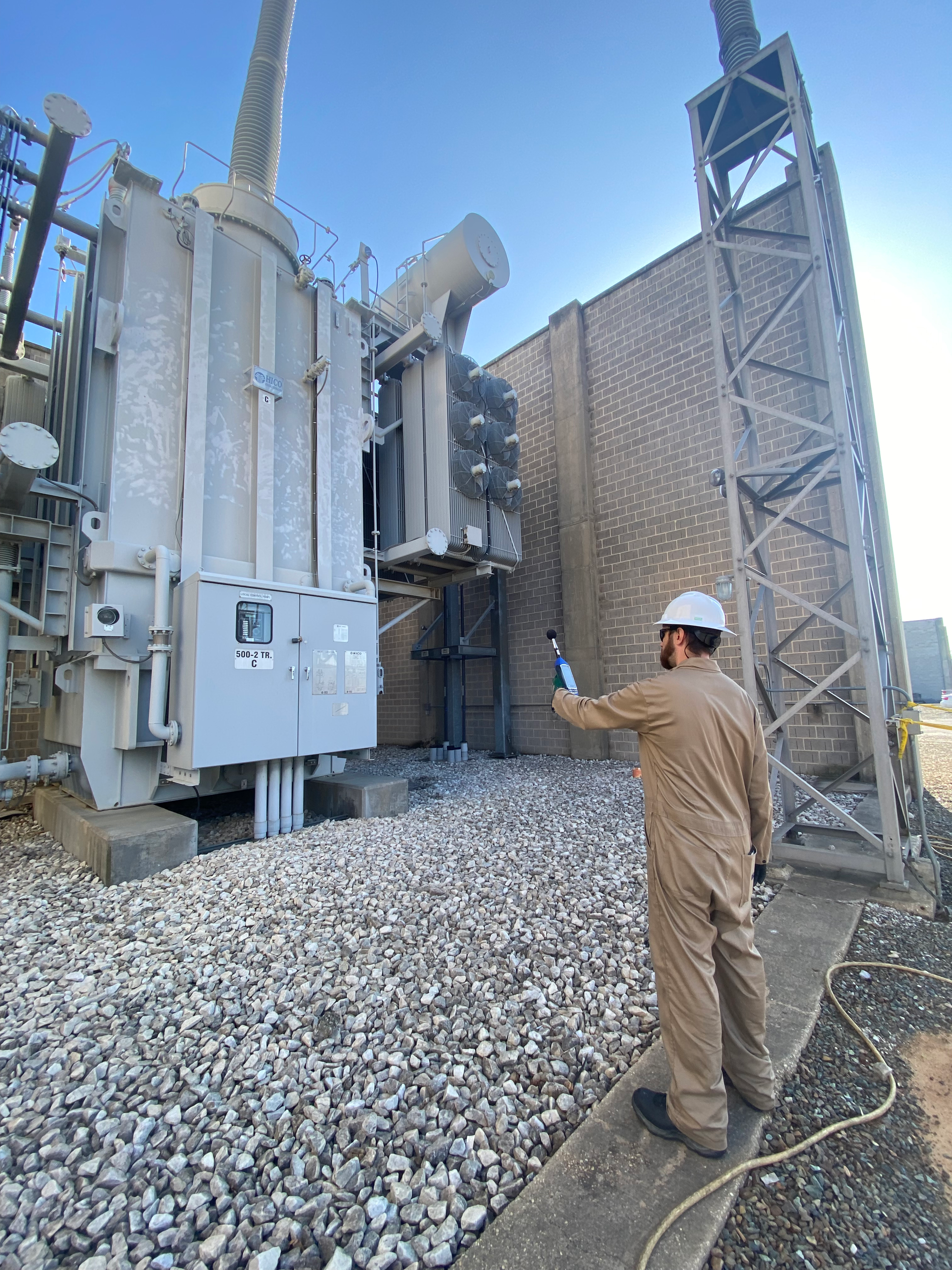
From the steady hum of turbines to the rhythmic sounds of industrial processing, noise is an inevitable part of modern operations. When it extends beyond facility boundaries, it can be noticed and cause communities to voice concerns about comfort, quality of life and environmental impact.
Andrew Truitt gets that. And with his Black & Veatch acoustics offering as part of the company’s environmental solutions portfolio, he’s cutting through the clutter with a niche, difference-making discipline known as environmental noise control, mastering the science of sound and vibration.
At the nexus of science and everyday life, the team’s mission is as technical as it is human, leveraging engineering to forecast how sound conceptually will travel to homes from proposed power, water treatment or industrial sites. The team’s noise mitigation and management measures ideally are considered in a project’s design, proactively ensuring a site is as quiet as possible from the outset versus retroactive remediation that comes with fewer options and consistently bigger price tags.
As part of a holistic, deeply human approach to becoming and remaining neighborly, Truitt’s team also helps clients navigate the widely varying, inconsistent array of state and local noise codes and regulations that create a lot of the underlying confusion.
What excites me about this job is the human impact,” said Truitt, an engineer who’s the subject matter leader of Black & Veatch acoustic and noise control services. “We’re improving people’s lived experiences by reducing unwanted noise. If we do our jobs right, we make a difference in neighbors’ day-to-day lives, even if they never know we’re involved.”

Turning up the volume on proactive
Few understand decibels or the intricacies of regulatory noise standards. While Truitt’s team’s work often is invisible — including its code reviews at the proposal stage to ensure adherence to local requirements — its impact tangibly helps enterprises, communities and economic development thrive in a world where industrial and residential boundaries increasingly are blurred.
Acoustics often get overlooked in the infancy of projects, notably when municipalities or counties don’t require acoustic studies for permits. Resulting pitfalls for developers and enterprises in those locales could involve costly retrofits and heightened vulnerabilities if noise complaints by neighbors crescendo, sometimes into legal action with monetary consequences.
Enter the turnkey, proactive approach by Black & Veatch acoustic experts about everything from analyzing data in the design phase to supporting the selection and deployment of mitigation solutions. That might include reserving space and design flexibility for potential future noise barriers or solutions if clients opt to delay mitigation until complaints surface.
Many firms separate data collection from mitigation, but we manage the entire process” with multidisciplinary experts — civil, electrical and mechanical engineers — under one roof, Truitt said. “This turnkey approach means we learn from real-world results and provide better risk management for our clients.”
This centralized approach reduces finger-pointing and helps accomplish what Truitt prizes most: practical, effective outcomes that earn public trust and, ultimately, make things neighborly.
“If residents could talk to you and know there’s someone like us working in the shadows and looking out for their interests in trying to do these things, they’d say, ‘Thank you.’”
Contact us
Looking for a partner in innovation?
Let's talk