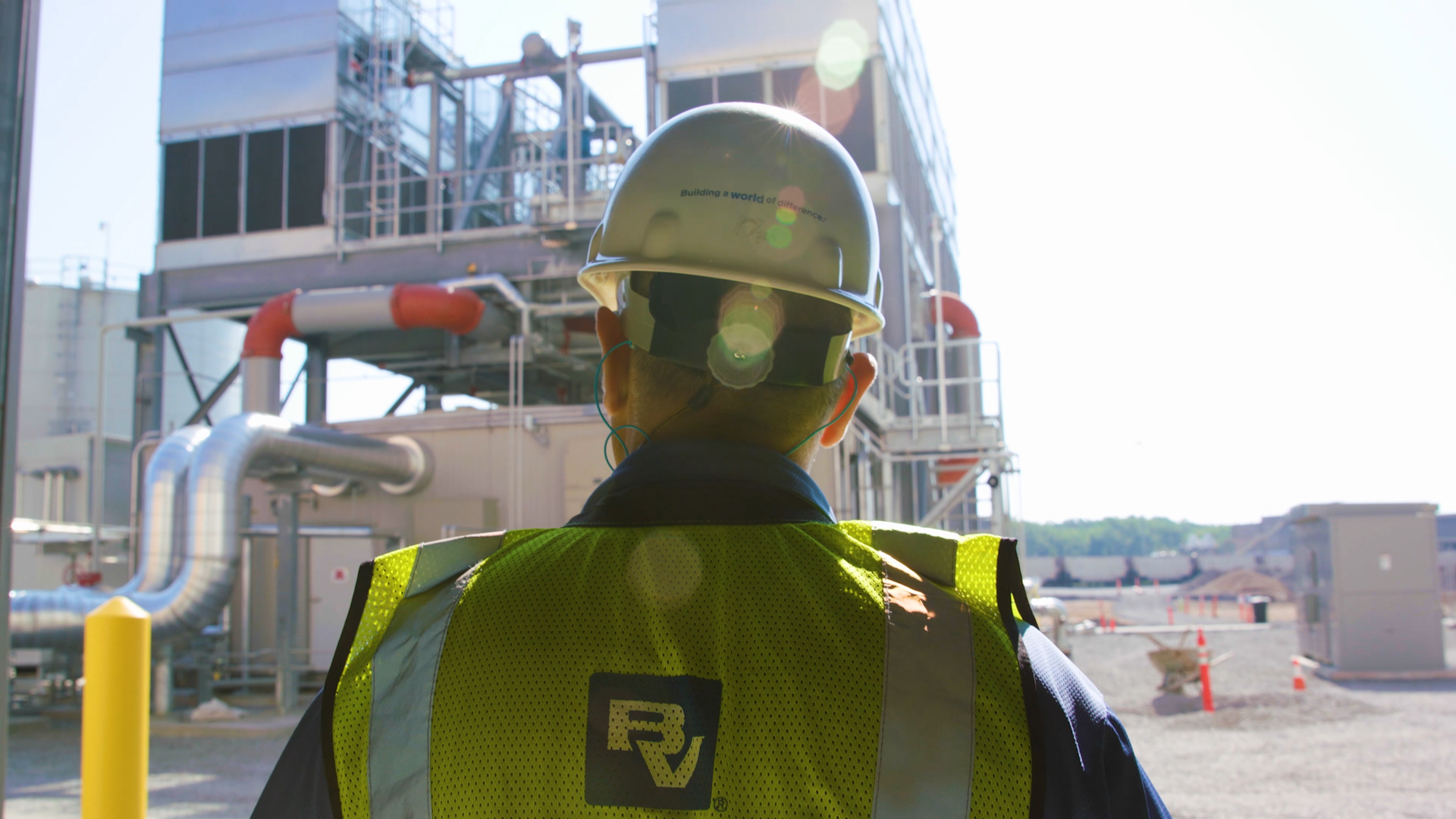
As water and wastewater utilities face growing demands to modernize infrastructure, manage costs and deliver projects more efficiently, many are reevaluating how projects are planned and executed. Increasingly, organizations are turning to design-build delivery models that create flexibility throughout the project lifecycle.
Design-build (DB) is an integrated approach that combines engineering and construction expertise within a single team, helping clients navigate complexity while maintaining focus on project outcomes.
Traditionally, project owners have selected engineers and contractors through separate processes, resulting in multiple entities working toward the same goal but operating under different contracts and incentives. Design-build switches up the usual dynamic by creating a unified team that collaborates together with the Owner from the start.
“Since Black & Veatch is an integrated DB Firm, this model of project delivery fits perfectly within the company’s expertise and approach to problem solving. We don’t have to form an external team to execute a project,” said Chad Brown, associate vice president and west regional director for design-build at Black & Veatch. “We have the capabilities to do the entirety of the project. That means there’s more alignment across the team because everyone is working toward the same objective.”
That alignment can help reduce inefficiencies, improve communication and allow project teams to identify challenges before they become larger issues.
The rise of progressive Design-Build
One delivery method gaining momentum across the water sector is progressive design-build. Under this approach, project teams typically are selected based on qualifications and then work collaboratively with the owner to develop project scope and advance design before establishing a final construction price.
“Rather than committing to a fixed price at the beginning of a project, owners gain greater visibility into project requirements, costs and risks as the design matures,” said Chuck Mitchell, vice president and managing director for design-build for integrated water at Black & Veatch. “This collaborative planning process can help create greater certainty while preserving flexibility during critical early phases of development.”
According to the Black & Veatch 2026 Water Report, utilities increasingly are interested in design-build because of the collaboration and innovation it enables between engineering and construction teams. Those priorities are becoming more important as utilities navigate several complex challenges facing the industry.
Delivering results across the country
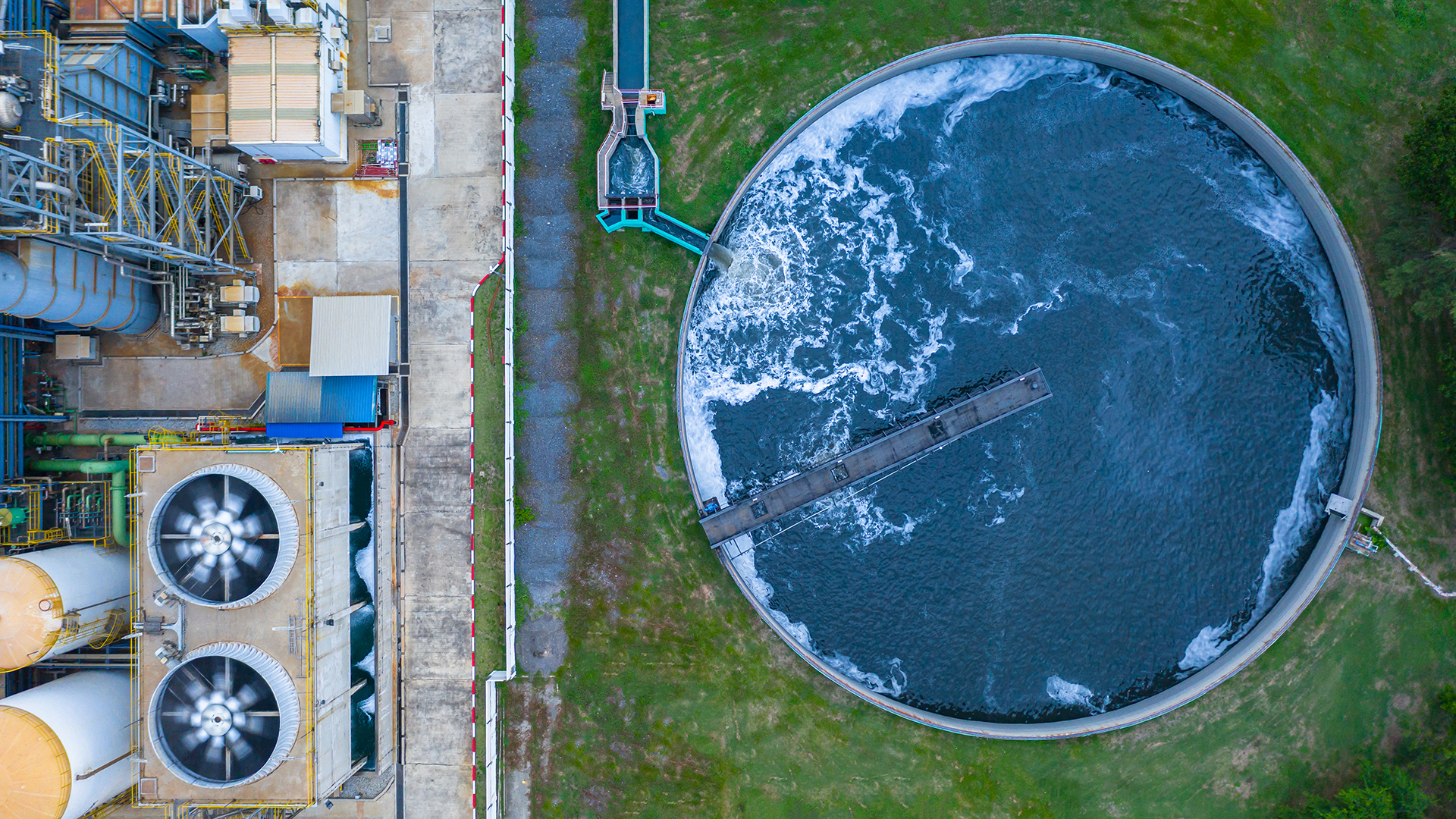
Black & Veatch has successfully applied design-build and progressive design-build approaches to water and wastewater projects across the United States. One example includes improvements to the city of Salina, Kansas wastewater treatment facility. Black & Veatch, was selected as the design-builder to provide full EPC services for the Salina Wastewater Treatment Plant Improvement Project, working through its open- and merit-shop construction subsidiary, Overland Contracting Inc. (OCI). An open-book bidding process benefited the city and community stakeholders by providing cost certainty and transparency of where every dollar would be spent.
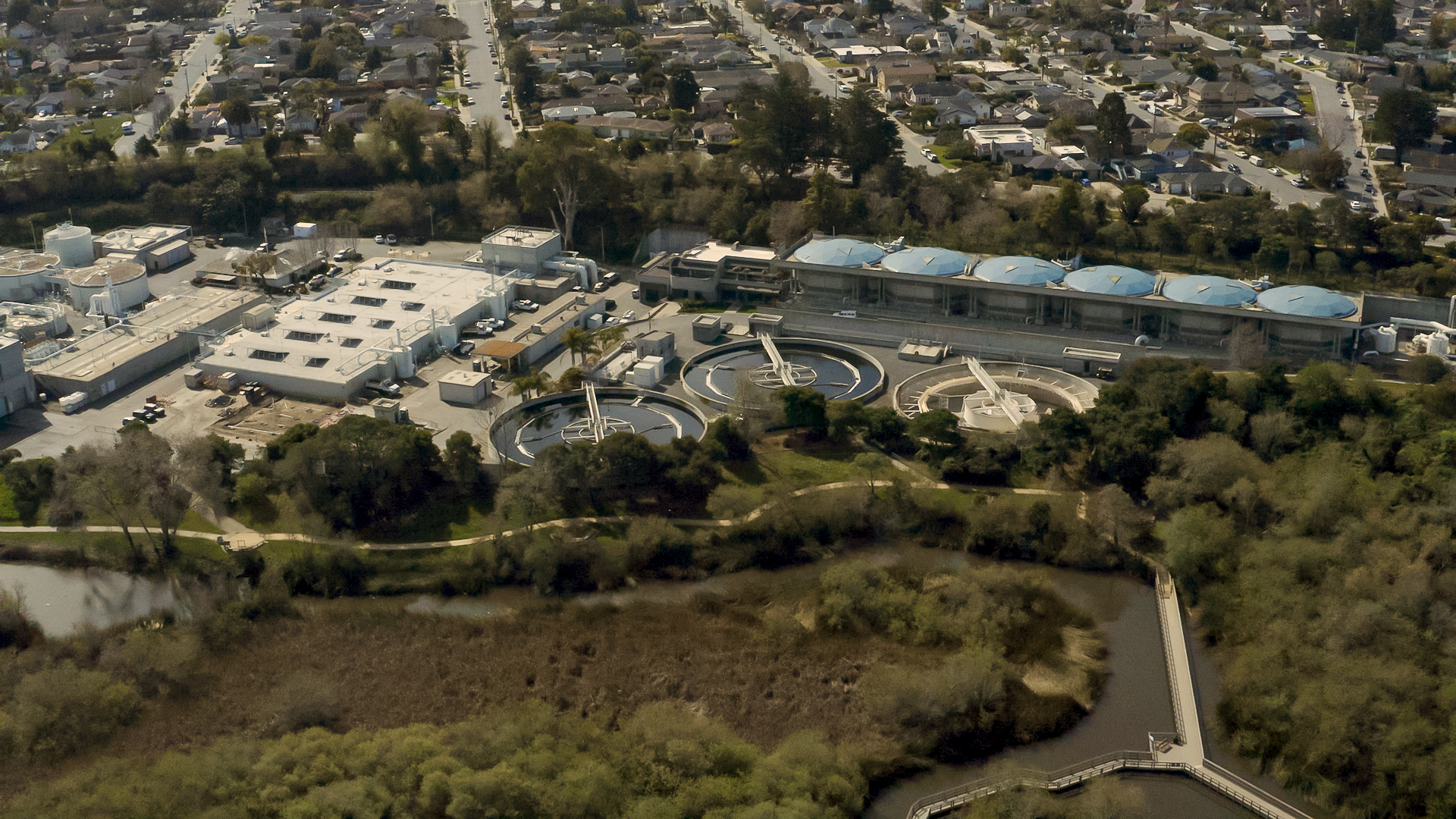
Another example is an advanced water treatment and direct potable reuse facility in Soquel, California. Needing to meet a state-mandated groundwater sustainability plan by 2040 and facing an estimated 30-year supply deficit in the basin, the district developed its Pure Water Soquel treatment facilities project under a progressive design-build agreement with Black & Veatch, working through its union construction subsidiary, Black & Veatch Construction, Inc. (BVCI). The purpose of the over-arching program is to recharge the Santa Cruz Mid-County Basin with purified reused water from the city of Santa Cruz wastewater treatment facility (WWTF).
While each project has unique technical requirements, leaders say the common denominator is collaboration, creating an environment where owners, engineers and constructors work together to achieve project goals.
Setting up projects for success
Design-build can offer significant advantages, but Black & Veatch emphasizes it isn’t universally the right solution. The key is understanding project objectives and selecting the delivery model best suited to achieving them.
“The real first step is to understand what the project’s drivers are and then match those drivers to the best delivery method,” Mitchell said. “That’s going to give you the best chance of success.”
Organizations considering design-build often benefit from internal alignment before procurement begins. Successfully implementing collaborative delivery requires engagement across engineering, operations, construction, permitting, legal and executive teams to ensure everyone understands the process and the mindset needed to support it.
Brown notes that one of the biggest mistakes owners can make is trying to apply traditional procurement processes to a design-build project without adapting contracts, procurement documents and internal expectations. Successful programs embrace collaboration early and establish frameworks that support shared decision-making.
Defining success together
At its core, design-build success is measured by whether all parties achieve their intended outcomes.
“At the end of the day, the facility needs to perform as agreed, and everybody should want to work together again,” Mitchell said. “Both parties must be satisfied for it to be a successful project. When it’s done right, it’s a win-win.”
This philosophy reflects one of the foundational principles behind collaborative delivery, which is that success is shared. As utilities continue seeking ways to accelerate infrastructure improvements while managing risk and uncertainty, design-build increasingly is becoming an attractive option.
Through an integrated approach that combines engineering excellence, construction expertise and collaborative project delivery, Black & Veatch is helping clients turn complex infrastructure challenges into successful outcomes.
Contact us
Looking for a partner in innovation?
Let's talk