This is also happening during a period of unprecedented investment. Investor‑owned utilities are planning hundreds of billions of dollars in capital spending over the next several years, driven by grid upgrades and AI‑era demand growth. Many of those investments depend on regulatory approval, which means affordability, reliability and outcomes are under a brighter spotlight. All of this adds up to a balancing act: Deliver more power, faster, while modernizing an aging system that cannot shut down. Plus, keep costs and reliability in check.
Partner selection
The grid is an integrated system. Early selection of an execution partner with system-wide expertise is essential to the success of any upgrade or modernization effort. It helps utilities align constraints, dependencies and delivery decisions before schedules and costs harden, reducing delivery risk and rework.
Combining distributed infrastructure depth – the ability to engineer and deliver safely in live-grid conditions – with infrastructure advisory strength, the right partner can pressure-test assumptions before capital is committed, translate strategy into executable programs and manage dependencies across operations, IT and engineering.
That balance improves schedule certainty and capital efficiency by avoiding “smart” investments that do not hold up in real operating environments and by sequencing procurement, approvals and execution around what must be true to deliver reliable outcomes on time and on budget.
The right steps in the right order
Aligned with the right execution partner, utilities can follow three connective steps so advanced capabilities can scale, perform as intended and maintain grid reliability.
Step 1: Connect capacity to constraints
The question that this step answers: What are the critical constraints that must be addressed to deliver reliable power and build resilience?
Capacity is more than a megawatt number. It depends on a chain of real-world factors: understanding how the existing system will respond to the requested changes, identifying the constraints those changes create and sizing the effort needed to remove the constraints. That effort includes interconnections, permits, sites, equipment lead times, construction logistics, outage windows, and workforce availability. When utilities map the constraints clearly, they also gain a direct way to educate and align internal teams on what must happen first and why. They can also bring external partners into early agreement on timelines and solutions.
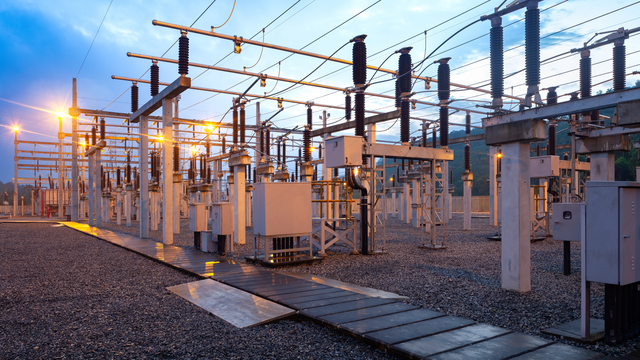
Take substation development for data centers as an example. Schedules are set less by the target megawatts and more by the constraints. The practical step is to bring the right internal teams and external partners together early to review the constraints, validate what is real, agree on who owns each dependency and sequence the upgrades and procurement around those realities. That is how promised capacity becomes a deliverable with a date attached to it.
What good looks like:
The utility can clearly name its biggest constraints.
Leaders understand which decisions remove those constraints.
Everyone knows why certain actions must come first.
Start here because unresolved constraints will eventually slow or stop everything else.
Step 2: Connect visibility to control
The question that this step answers: How can we securely operate our system to improve overall reliability?
When priorities are in place, the next question is operational. What visibility do we have of our system, and does it support the desired reliability?
Digital tools play a critical role, but more data alone does not make operations better. Visibility only matters if it supports confident, timely control. That means communications networks, SCADA systems, automation, sensors and field devices must work together in a way operators can truly use.
Technology is moving fast, so utilities cannot treat communications and control as a one-time design decision. Private LTE (pLTE) is an example of that shift. By providing secure, utility-owned connectivity that supports automation, monitoring and control to the grid edge, pLTE can expand system status visibility and enable control of more field devices, including locations that were previously too expensive to connect and manage in real time.
The goal is simple: faster insights, decisions and actions without increasing operational risk.
What good looks like:
Devices, automation and communications deliver secure, reliable telemetry and control into the utility’s existing operating environment, empowering operators and field crews to act on trusted, actionable information.
Operators can answer: What changed and where and what needs to happen next.
Cybersecurity and operating models support reliability, not slow it down.
This step ensures that complexity strengthens the grid instead of stressing it.
Step 3: Connect strategy to execution
The question that this step answers: How do we keep delivering at scale without sacrificing reliability?
Power grid modernization is a long-term transformation that needs discipline to sustain. As programs grow, utilities must keep priorities clear while also proving each next step is feasible. That means revisiting the roadmap as constraints shift. It also means doing the hard implementation work up front. Confirm technical feasibility, sequencing outages and cutovers. Validate system and network integration needs. Plan deployments that can scale across substations and field devices. With that foundation, utilities can pair decision clarity with execution-ready engineering, procurement and construction capacity so the plan can be delivered safely and reliably.
This is where operations, IT and engineering must stay aligned. Otherwise, even well‑designed initiatives can stumble under pressure.
What good looks like:
Modernization is a coordinated effort that is continuously evaluated, sustained and invested in.
Projects build on and reinforce each other instead of competing for resources.
Reliability and safety remain non‑negotiable, even at high speed.
Best practice for grid upgrades
Align with the right execution partner, then:
Start with the biggest constraints so new capacity is realistic and executable.
Make upgrades operational so reliability improves as complexity grows.
Work with partners while establishing governance so that readiness translates into fast, safe and sustainable delivery.
This sequencing helps utilities tackle power grid modernization challenges with confidence, even as expectations, investment levels and system demands intensify.