AI, power and data center colocation at speed: Key insights from PTC'26

data center colocation

Share this page:

At PTC’26, the Pacific Telecommunications Council’s (PTC) conference held annually in Hawaii, Black & Veatch convened industry leaders to explore how AI is fundamentally reshaping data center development, power strategy and long-term infrastructure planning.

The panel discussion, Colocation at Speed: Building Data Centers for Today’s AI Demands, brought together experienced developers and operators to share real-world perspectives on overcoming utility constraints, managing rising rack densities, and accelerating delivery without compromising reliability or safety. As demand for digital infrastructure intensifies, the conversation highlighted the critical shifts required to design, build and operate data center campuses at scale – while balancing sustainability, workforce readiness and community expectations.

AI is redefining data center power solutions and infrastructure readiness

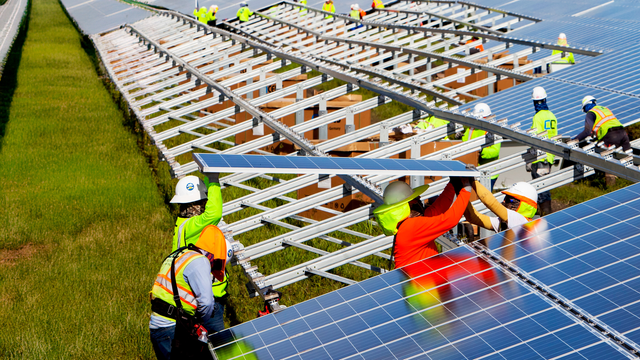
Power availability has become the primary determinant of data center delivery timelines. Utility interconnection delays, grid congestion, and long-lead times on electrical equipment are now shaping where projects can move forward and how quickly capacity can be brought online. As a result, developers are increasingly evaluating onsite and hybrid power strategies – including temporary generation, microgrids and alternative supply models – to bridge near term gaps while longer term grid solutions mature.

Infrastructure readiness now requires an integrated, campuswide view of power, water and wastewater systems. Projects that align these elements early are better positioned to reduce risk, accelerate schedules and adapt to evolving demand across the asset lifecycle.

Designing AI data centers with flexible, density responsive architecture

AI workloads are driving higher rack densities, but successful design strategies are prioritizing flexibility over extremes. Rather than engineering exclusively for ultra-high-density scenarios, leading colocation and hyperscale developers are creating adaptable environments that support a range of power envelopes as workloads evolve.

Flexible electrical architectures, modular cooling systems, and clear design guardrails around thermal safety and liquid cooling are becoming essential. This approach allows data centers to scale with demand while avoiding overengineering and preserving long-term operational resilience.

AI demand is pushing data centers to operate at utility scale – where power strategy, flexible design, and community trust must advance together."

Building utility grade operations through workforce excellence

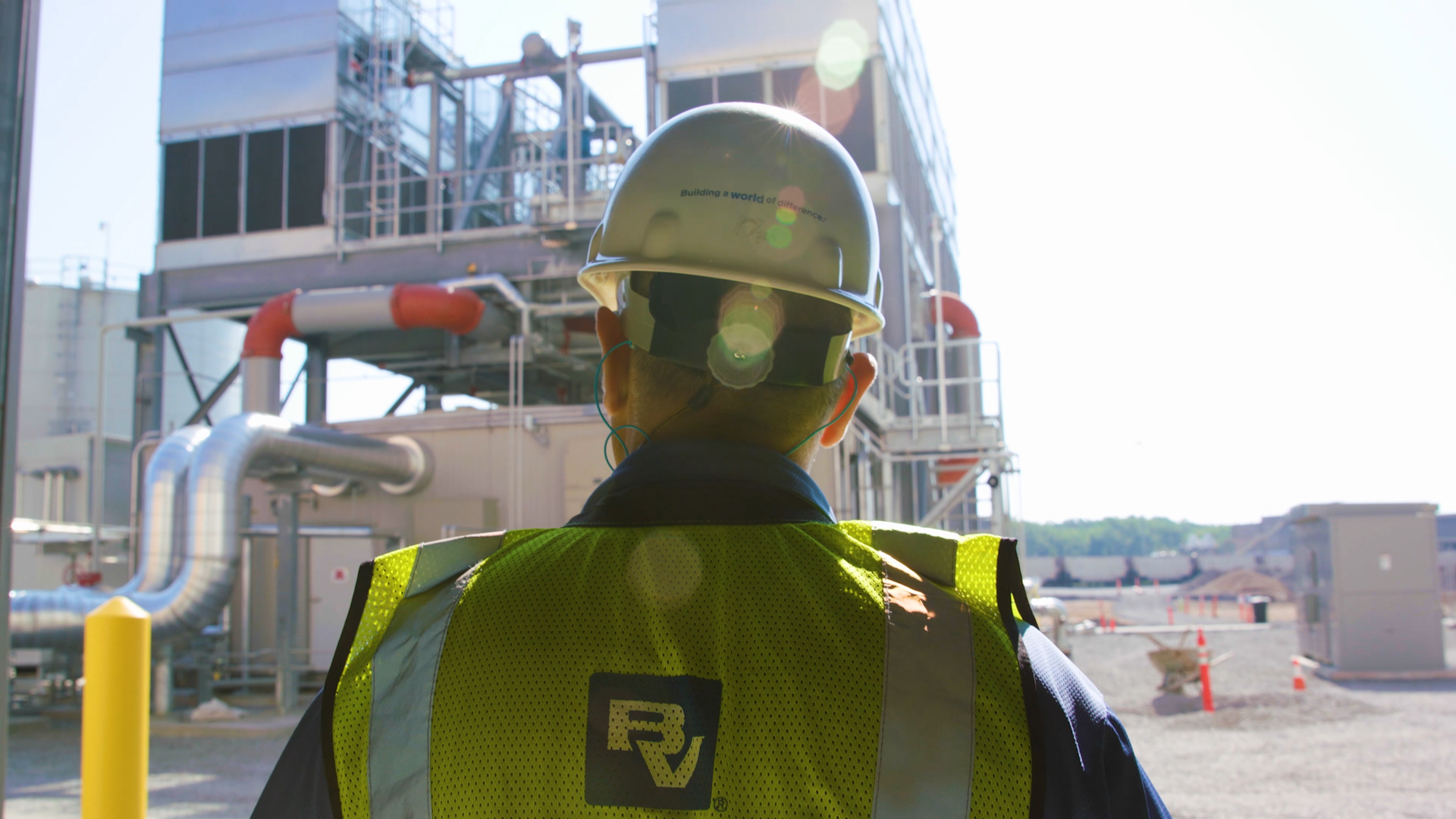
As data center campuses expand in scale and complexity, operational expectations increasingly mirror those of utilities. High-voltage substations, onsite generation, advanced cooling, and water infrastructure demand a workforce trained to operate mission-critical assets safely and reliably.

Leading organizations are moving beyond reactive operations by investing in digital twins, simulation-based training, and rigorous commissioning programs. At the same time, workforce development pipelines are becoming critical as the industry addresses growing skills gaps and prepares teams to manage utility-grade infrastructure over multidecade lifecycles.

Community trust as a critical path for data center development

Community acceptance is now a defining factor in data center site selection and permitting success. Public scrutiny around power consumption, water use, and land impact is reshaping how projects are evaluated and approved.

Early, transparent engagement with local stakeholders – before designs are finalized – helps build trust, address misconceptions, and reduce downstream delays. Community engagement is no longer a supporting activity; it is a core element of delivering digital infrastructure at speed.

Managing utility grade data center assets for long-term risk and resilience

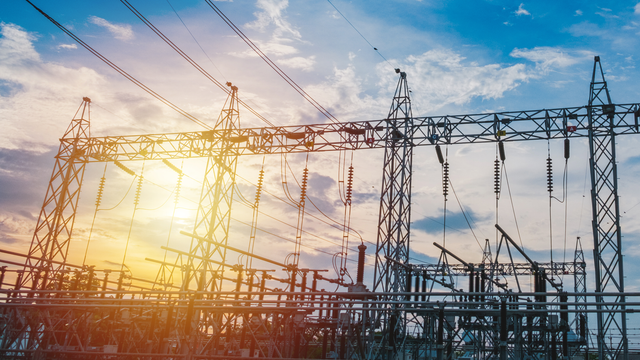
Modern data center campuses are long-life assets, often designed to operate for 30 to 50 years or more. Ownership increasingly includes infrastructure historically managed by utilities, such as substations, switchyards and water systems.

This shift requires new governance models that integrate engineering, operations, and finance to manage risk across the full asset lifecycle. As emerging technologies—from advanced energy storage to small modular reactors—enter the conversation, developers must evaluate innovation through the lens of safety, regulatory readiness and long-term economics.

The insights from this discussion reinforce a defining reality for the digital infrastructure sector: speed alone is no longer sufficient. Success in the AI era depends on integrated power planning, flexible and resilient design, operational models that mirror utility-grade reliability, and proactive engagement with the communities that host this infrastructure. As data centers continue to evolve into long life, mission critical assets, organizations must rethink how they manage risk, talent and stakeholder trust across the full project lifecycle.

Black & Veatch works with clients across the global data center ecosystem to translate these emerging challenges into practical, future-ready solutions that support resilient growth in an increasingly power constrained world.

Contact Us

Looking for a partner in innovation?

Let's Talk
2 construction workers at solar site