Projects
BV Con-X Enables EV Charging Without Additional Power or Cost
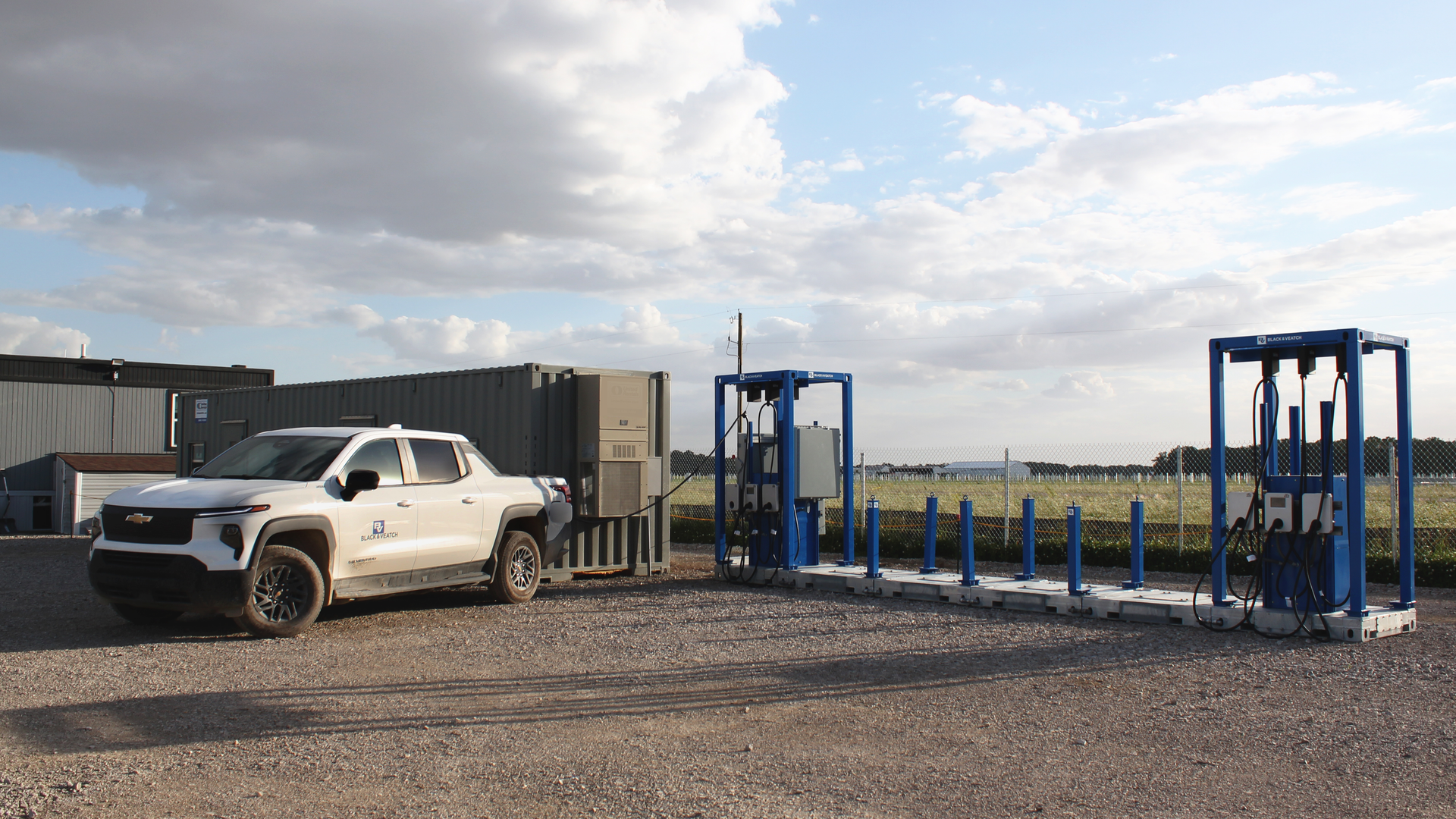
To achieve ambitious decarbonization goals, Avangrid wanted to field test a sustainable construction fleet without having to build and permit permanent charging infrastructure.

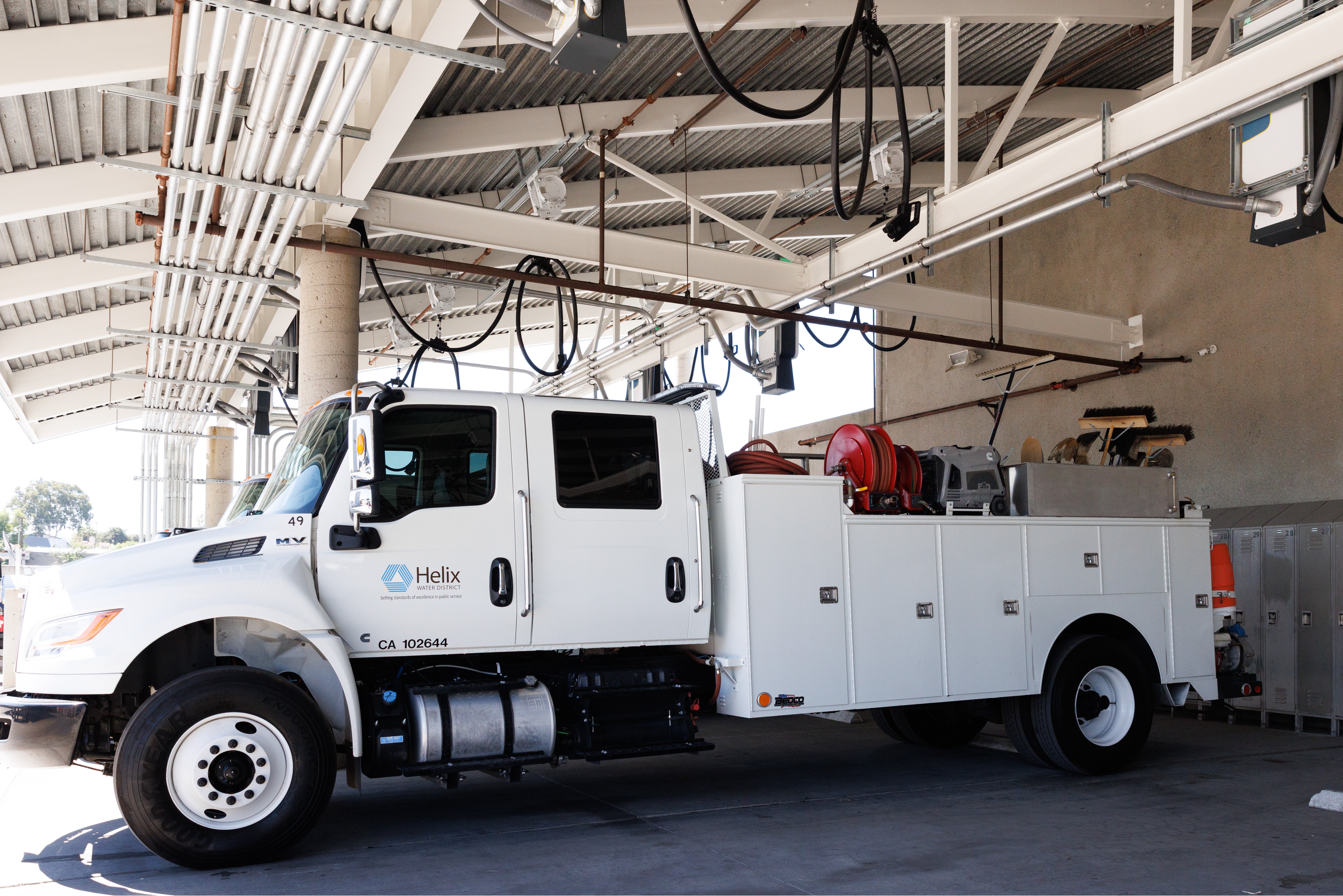
Operational readiness of its electrified fleet was a requirement for the Helix Water District. The utility serves 278,000 people in San Diego’s East County, and its operations center houses much of the fleet that supports daily maintenance and emergency response activities. Diverse in function, as would be the case for almost any utility, the fleet includes light-, medium- and heavy-duty vehicles and specialized equipment. Fleet electrification was required by the California Air Resources Board (CARB), a state agency focused on air quality and climate policy.
Yet this wasn’t a matter of adding some charging stations. And CARB compliance requirements were pressing. CARB’s Advanced Clean Fleet (ACF) regulation mandated 100% zero-emission purchases for state and local government fleets by January 1, 2030.
For Helix, the core challenge was: How to maintain 24/7 emergency readiness with vehicles that need to recharge while also retrofitting the operations center with the electrical capacity and infrastructure to support that shift? The challenge was multi-layered.
“Make-ready” complexity. Depot EV charging requires coordinated decisions about power delivery, site layout, constructability and permitting.
External coordination and schedule pressure. Helix’s project is closely tied to utility and air-quality stakeholders including San Diego Gas & Electric and the San Diego County Air Pollution Control District. Securing expertise and funding early was essential as more public agencies pursue the same resources.
Futureproofing. Electrification is a journey, not a one-time equipment purchase. A depot needs a scalable backbone that can expand as fleets grow and vehicle mix evolves.
Helix’s operations center electrification effort reflects a reality facing many utilities. Fleet transition decisions sit at the intersection of compliance, resilience and long-term asset management. How to electrify specialized fleets, how to plan power delivery and phasing, and how to keep mission-critical vehicles ready for emergencies and daily work.
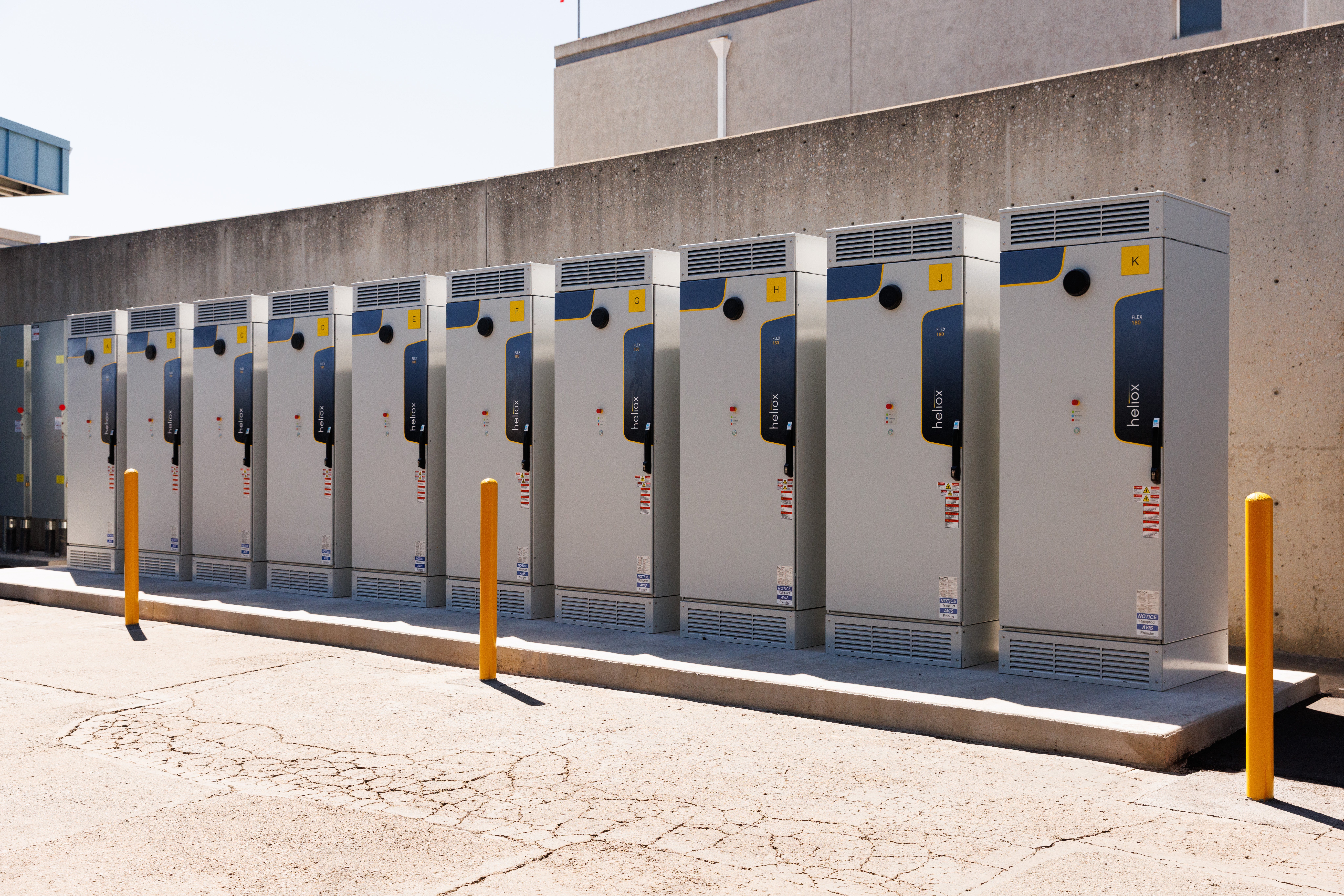
To help Helix convert its operations center into EV-ready infrastructure that accounts for the realities of the requirement, Black & Veatch developed a complete design package for the infrastructure at the Nat L. Eggert Operations Center.
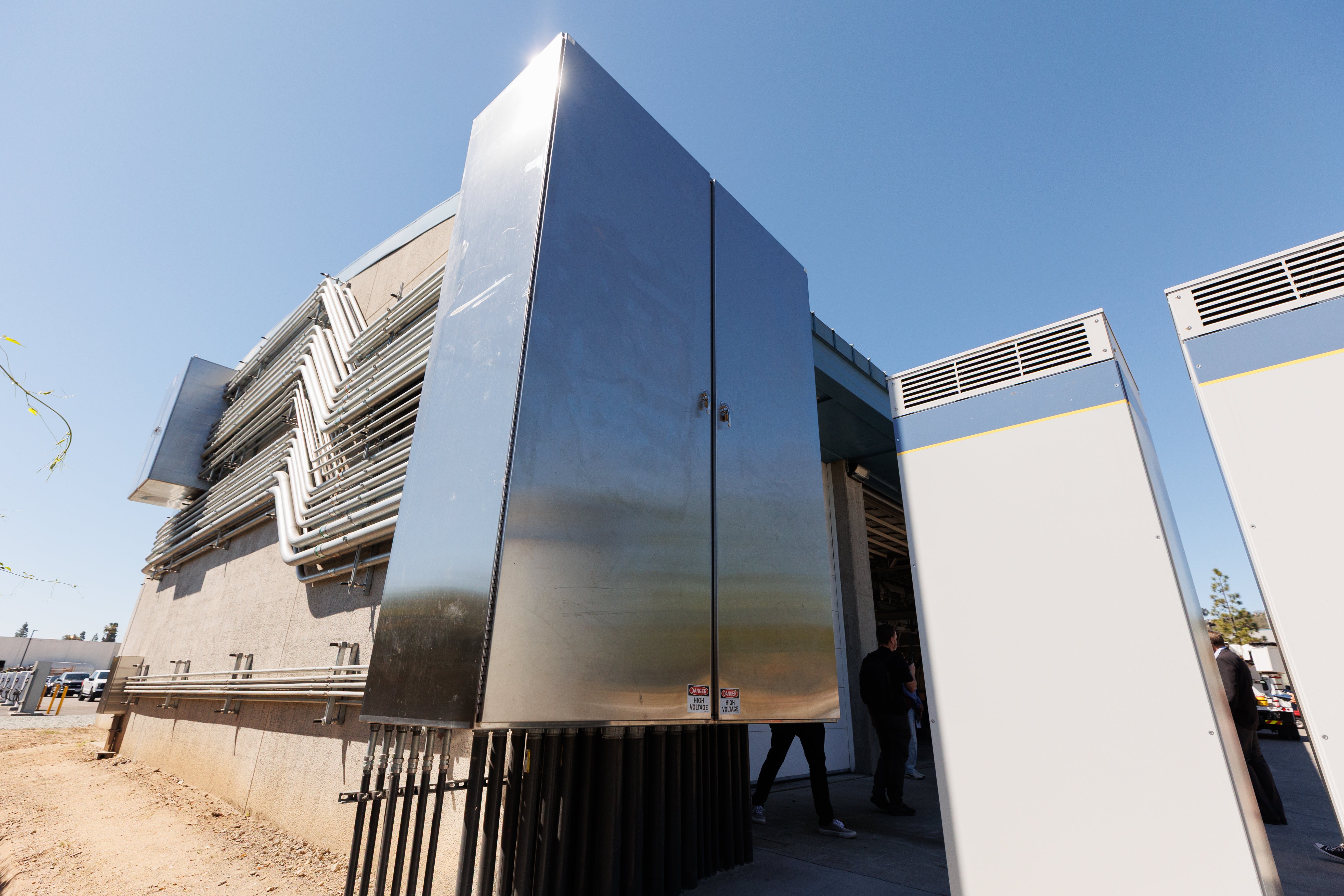
The design centers the “make-ready” backbone intentionally, encompassing the power, layout, constructability and permitting needed to help the charging program succeed under real-world operations and help the depot grow over time.
The scope included a preliminary feasibility study evaluating the potential inclusion of on-site solar and battery energy storage systems (BESS) – aligning fleet depot charging with emerging utility resilience and energy-cost strategies.
Also notable is the project’s intent to support neighboring agencies as they electrify their own fleets plus have shared-use capability for emergency and critical service vehicles.
That combination – compliance-driven, resilience-minded and an asset-optimized design – offers a model for other utilities planning the next generation of their fleet infrastructures.

Structured assessment of charging requirements and equipment needs, supported by site walks, interviews, load studies and engineering analysis.
Benefit: A charging strategy that is practical for utility operations, reduces avoidable redesign and supports phased adoption as the fleet evolves.
Anticipated phased growth and an evaluation of existing electrical infrastructure, San Diego Gas & Electric coordination and load calculations, and design/specification development for hardware and equipment.
Benefit: Build-ready and expansion-ready infrastructure, reducing the risk that fleet electrification stalls because of site power constraints or constructability surprises.
Understood utility infrastructure grant compliance requirements, captured them in the design package and acted with urgency as public agencies compete for resources and funding to achieve CARB compliance in California.
Benefit: Fewer downstream surprises during permitting and implementation, and smoother alignment with requirements.
Supported scalable deployment instead of a single, fixed configuration.
Benefit: Helix can expand capacity as fleet composition changes, minimizing rework and enabling deliberate growth, not an all-or-nothing buildout.
Maintained emergency response readiness while transitioning to a fleet that must recharge.
Benefit: Fleet depot charging engineered to serve operations, not just vehicles, strengthens utility resilience.
Enterprise charge management system (CMS)
Designed with shared-use capability for emergency/critical service vehicles across the county
Approximately $11 million in funding, largely grants