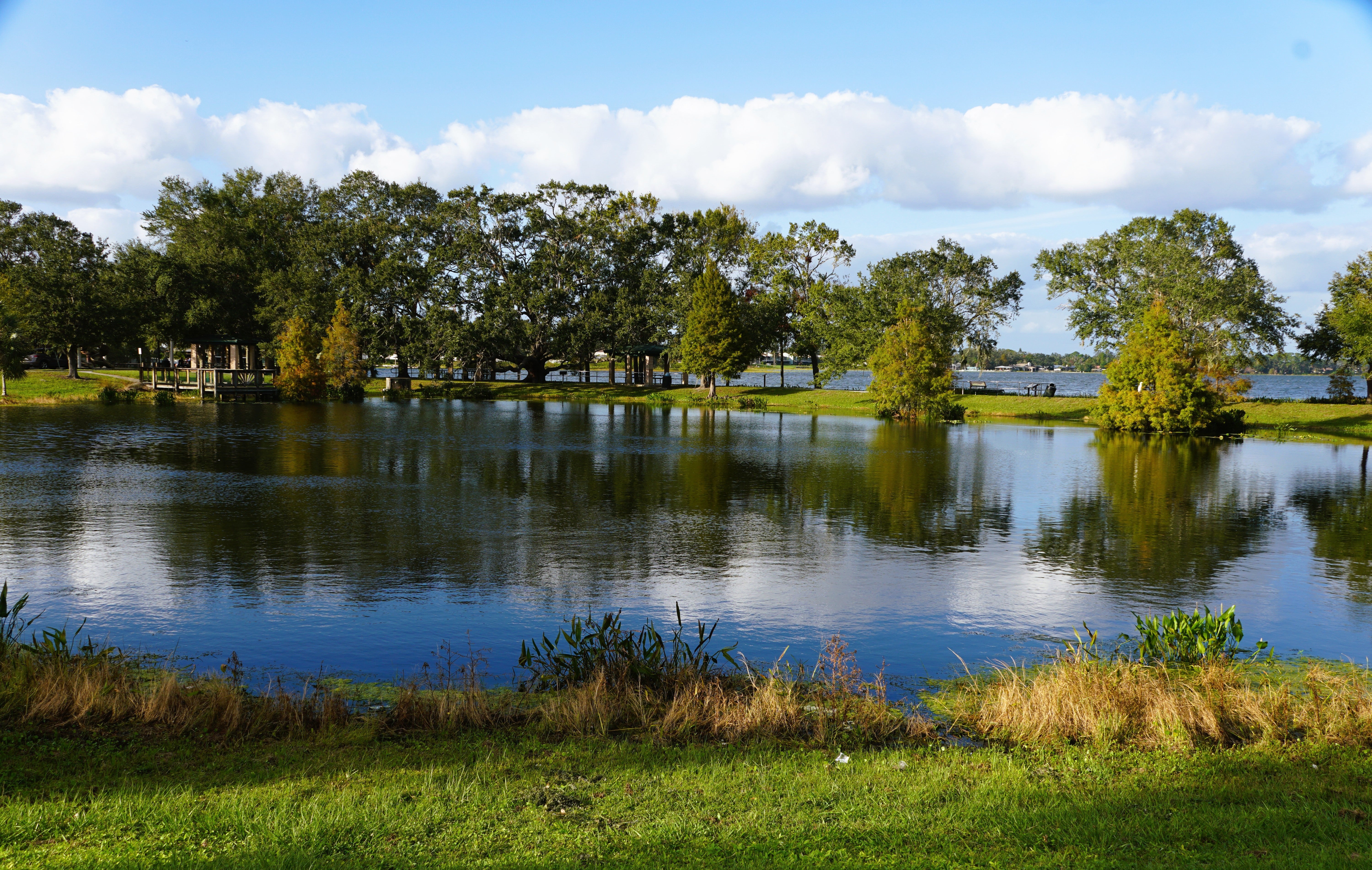
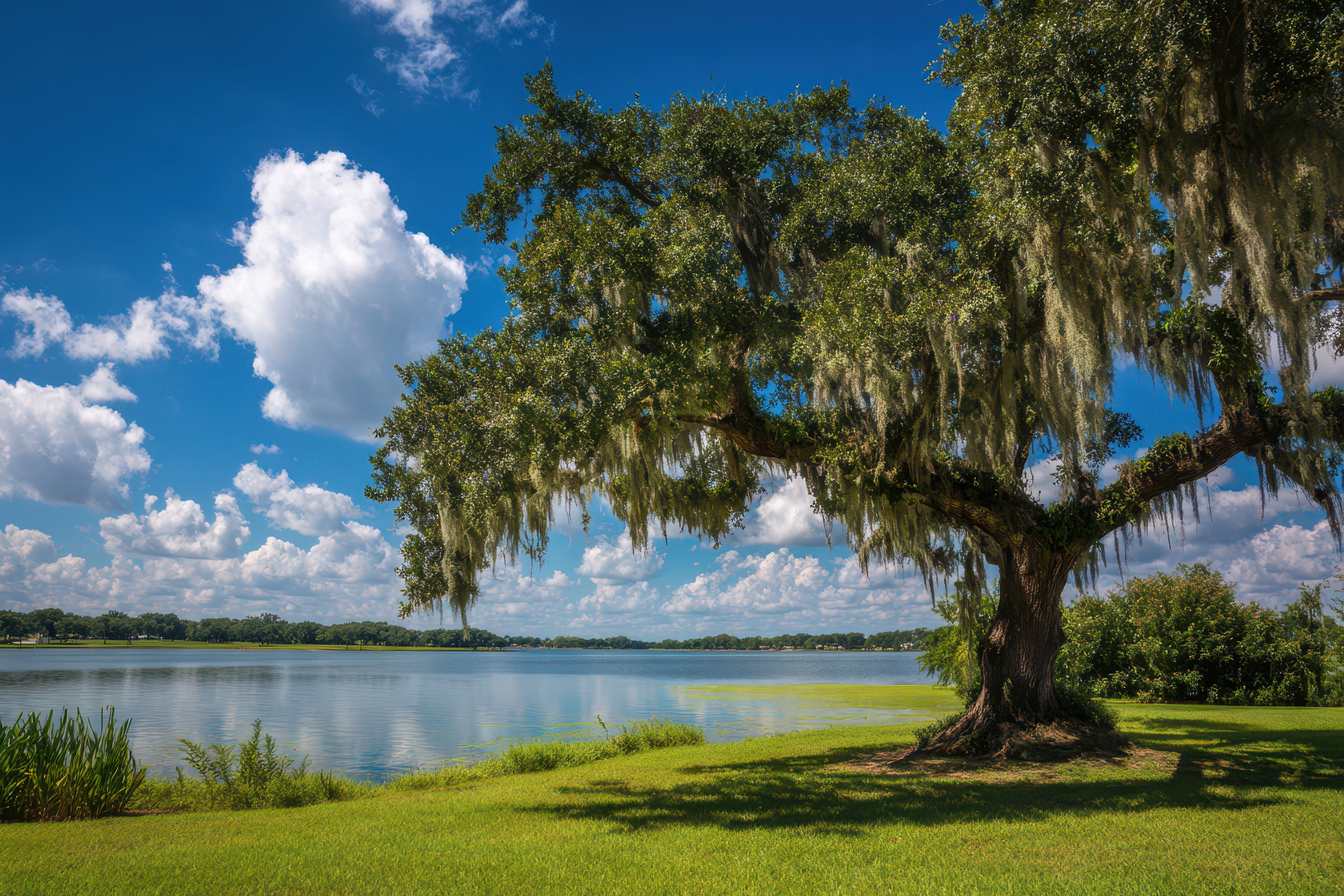
In the heart of Florida, some 50 miles from Tampa and Orlando, Winter Haven is a water wonderland befitting its many monikers: the Inland Coastal Playground and the Water Ski Capital of the World. Even the Chain of Lakes City, a nod to 50 lakes linked by canals within or adjacent to the city limits.
It’s also home to the headwaters of the Peace River and its watershed, the primary contributor to the Charlotte Harbor Estuary and the second largest watershed on Florida’s coastline. The city’s primary water source — the Floridan aquifer system — is replenished in the area.
While synonymous with water and abundant rainfall, mostly in the summer, Winter Haven faces a paradox: A future shadowed by water scarcity as rampant growth demands more water resources and infrastructure continues to age.
Now by adopting what could be a model for other cities facing water sustainability pressures, Winter Haven is on the offensive with a regionally minded, multi-decade master plan developed by Black & Veatch.
The mission: controlling its water future
The essence of the plan: Put the city on a “water budget” — much like handling a bank account — that balances water deposits (recharge) and withdrawals (consumption) to avoid the deficits impacting Winter Haven’s water availability. It’s a holistic, innovative and crucially quantifiable approach meant to help the city sustain the resilience of its water supply, ecosystem health and economic vitality.
That concept is rooted in the “One Water” premise that all forms of water — from drinking water to wastewater, stormwater, reclaimed water, indirect and direct potable reuse, and groundwater — are a singular, defragmented resource to be managed sustainably.
Such a push comes amid far broader concerns about water supplies. Warning that the planet is entering an era of global “water bankruptcy,” a United Nations research agency reported in January 2026 that the Earth's water repositories — aquifers, rivers, lakes and the like — are being depleted faster than they can be restored. Nearly three-quarters of the global population is in countries classified as water insecure, often critically.
"These are not simply signs of stress or episodes of crisis," the report pressed. "They are symptoms of systems that have overspent their hydrological budget and eroded the natural capital that once made recovery possible, with knock-on effects for food prices, employment, migration and geopolitical stability."
Winter Haven’s quest for answers
Winter Haven leaders have recognized for decades that their water supply, though seemingly secure, was at risk. This recognition led to the city commissioning a sustainable water resource management plan that focused on watershed matters in 2010.
The Black & Veatch water budget strategy broadens that, pulling in the utility side of the quandary and making outcomes more definitive.
The reasons were abundant. The city’s traditional reliance on groundwater — once plentiful and inexpensive — is turning unsustainable. Population growth, high per-capita water uses and competing demands from agriculture and industry are driving up consumption. Nearly half of the city’s water is being used for irrigation — common across Florida, but increasingly problematic as the region’s natural systems struggle to keep pace.