Why FLNG, why now: a critical pathway for LNG growth, gas monetization

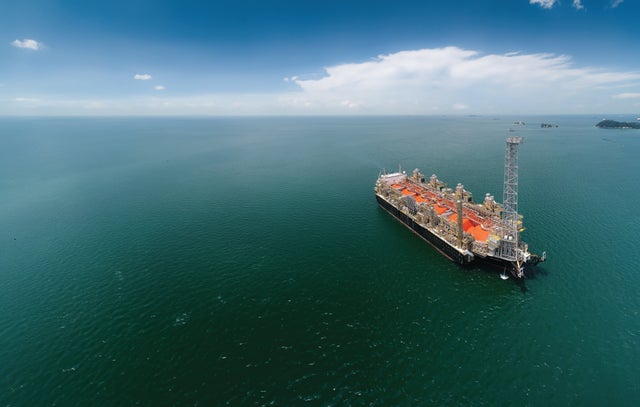
flng on water

Share this page:

The global liquefied natural gas (LNG) market is at an inflection point: Demand is rising, supply chains remain strained and recent geopolitical disruption has exposed LNG supply chain vulnerability, even as new North American supply and lower Asian imports have helped offset some pressure.

At the same time, developers face mounting pressure to bring new LNG capacity online faster, reduce execution risk and make every investment dollar work harder.

That's where floating liquefied natural gas (FLNG) comes in.

FLNG isn’t a replacement for onshore LNG, given that large-scale, land-based facilities will remain the backbone of global LNG supply for decades to come. But as the industry races to meet growing demand, developers need more than one path to market. That’s why FLNG is emerging as a powerful complement to traditional LNG infrastructure, helping resource owners unlock stranded gas reserves, accelerate gas monetization and expand global LNG supply with greater flexibility.

Still, “what we're seeing with FLNG now is it's not just about monetizing stranded gas,” Kyle Haberberger, who oversees FLNG technology applications and development for offshore and nearshore projects globally for Black & Veatch, said in headlining a 2026 ABS podcast. “It's about how do you address risk on a project to make something economical.”

Global LNG demand continues to grow, but bringing new supply online is becoming more challenging. Shell’s 2026 LNG outlook forecasts LNG demand could increase by roughly 65% by 2050, yet the market is navigating geopolitical uncertainty, shifting trade flows and uneven timing of new supply. Success increasingly depends on how quickly a project can reach market, how effectively execution risk is managed and whether the economics remains competitive throughout development. In that environment, FLNG is gaining traction as a practical complement to traditional onshore LNG, particularly for resources located far from existing infrastructure or in regions where permitting, labor availability or site development can affect project schedules and costs.

The question isn’t whether the world needs LNG but how quickly, safely and cost-effectively new supply can reach markets. For developers evaluating remote gas resources, challenging project locations or capital-intensive investments, FLNG is moving from alternative to essential consideration, and three trends are driving that shift.

1. FLNG reduces execution risk, accelerates LNG development

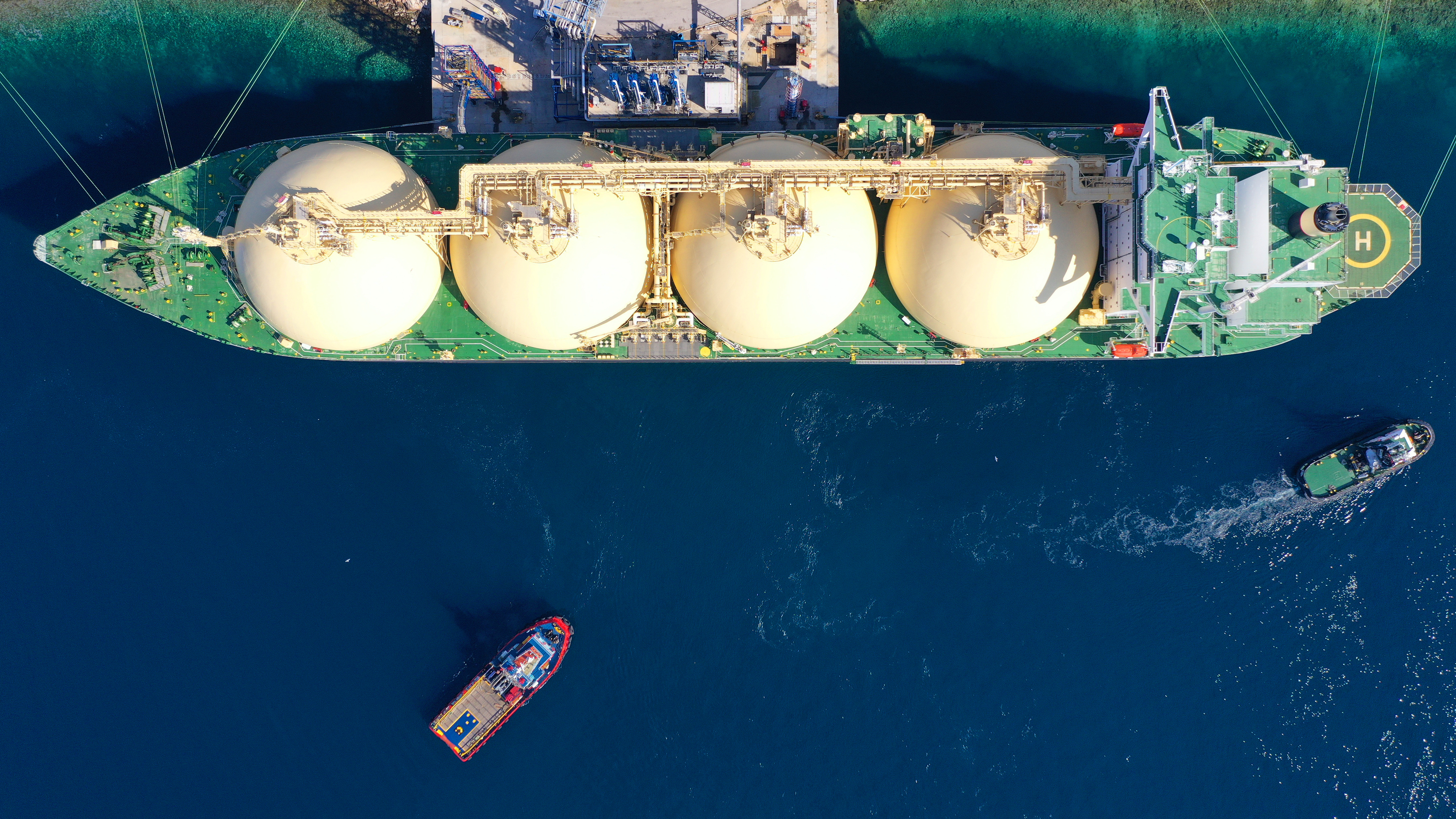
FLNG global

Every LNG project shares the same objective: monetize natural gas resources reliably and economically. However, the greatest project risks increasingly aren’t below ground but above it.

Many onshore LNG projects face labor shortages, remote-site logistics, security concerns, environmental constraints and extended permitting processes. These factors can create schedule delays, increase costs and introduce uncertainty at a moment when timing is critical to project success.

FLNG addresses many of these challenges by shifting much of the construction effort into controlled shipyard environments. Floating LNG facilities reduce reliance on local labor markets, avoid complex greenfield site development and improve schedule predictability. Fabrication takes place where skilled workers, established supply chains and proven quality-control processes already exist.

While FLNG does not eliminate risk, it allows developers to better manage and select the risks they assume. In a global LNG market where supply growth must keep pace with rising demand, speed and certainty have become competitive advantages.

Black & Veatch’s role in this evolution reflects the growing maturity of the sector. Its proprietary PRICO® liquefaction technology has been selected for eight of the 15 floating LNG projects operating or under construction worldwide, demonstrating the viability of proven LNG technology in offshore and nearshore applications. PRICO continues to evolve across onshore, nearshore, floating and modular LNG applications.

The message for developers is straightforward: If onshore execution risks threaten project economics or schedules, floating LNG solutions may offer a more controlled path to market.

2. Nearshore FLNG is expanding LNG infrastructure possibilities

Perhaps the most significant development in the FLNG sector is the emergence of nearshore FLNG.

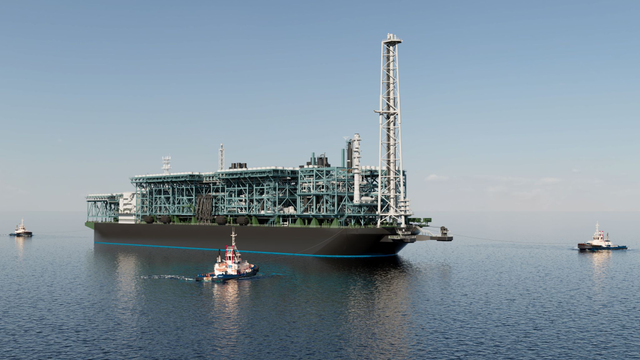
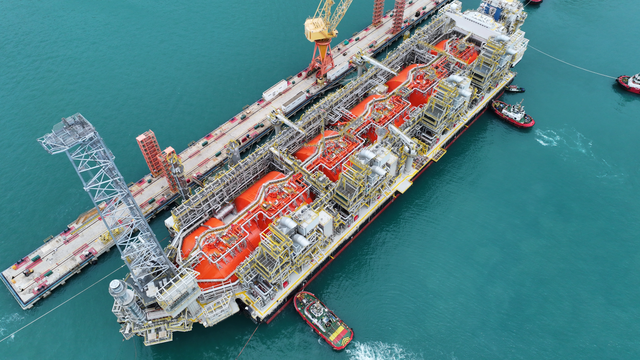
Unlike traditional floating facilities directly above offshore gas fields, nearshore FLNG places liquefaction infrastructure adjacent to the shoreline. This approach blends the advantages of offshore development with the accessibility of onshore infrastructure, including pipelines, ports and power systems.

The result is a more flexible approach to LNG infrastructure development.

Cedar LNG in Canada’s British Columbia illustrates this shift. Developed through a partnership between the Haisla Nation and Pembina Pipeline Corp., the 3.3-million-tonnes-per-annum (MTPA) facility reached final investment decision in 2024. Powered by renewable hydroelectricity, it’s designed to be among the world’s lowest-emissions LNG projects.

More broadly, Cedar LNG highlights how nearshore FLNG can reduce environmental disturbance, minimize onshore construction requirements, leverage existing infrastructure networks and improve project constructability. It also demonstrates how LNG development can align with community priorities while creating new ownership and partnership opportunities. As the world’s first Indigenous majority-owned FLNG project, Cedar LNG represents a new model for responsible energy development.

Nearshore LNG projects aren’t significant solely because of their location. Success depends on integrating proven liquefaction technology with engineering, procurement, commissioning and full EPC execution capabilities.

For policymakers, developers and investors, the implication is clear: FLNG isn’t limited to remote offshore applications. Nearshore concepts are dramatically expanding the range of viable LNG project opportunities.

3. Redeployable FLNG assets create long-term capital flexibility

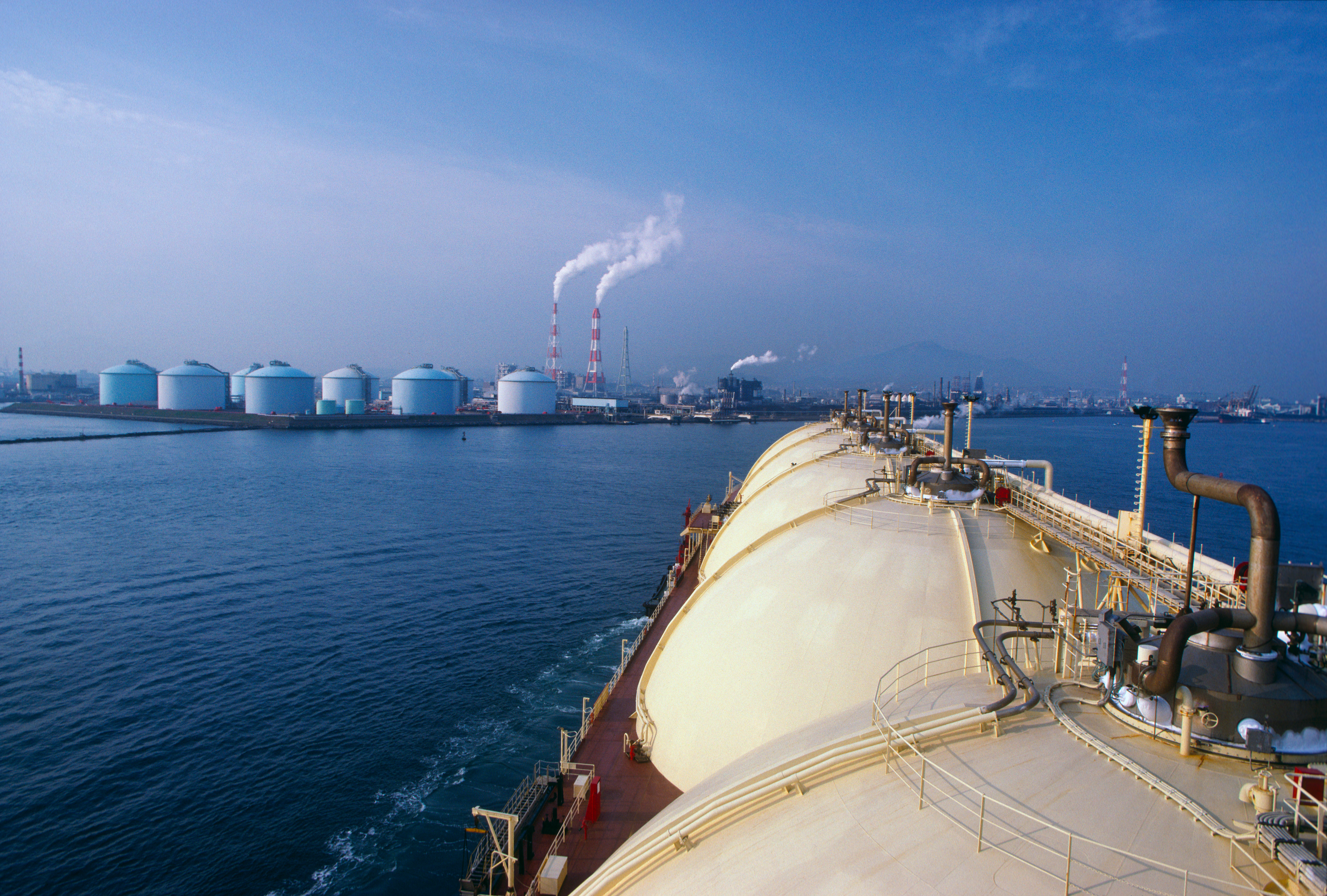
floating liquid natural gas transportation

Traditional onshore LNG facilities are fixed assets, built for a single location and resource base. FLNG introduces a fundamentally different concept: mobility.

Because floating LNG facilities can be redeployed, developers gain flexibility difficult to achieve with conventional infrastructure. An FLNG asset potentially can serve multiple gas fields over its operating life, reducing stranded-asset risk and extending the value of capital investments.

The industry already is demonstrating this model. Golar LNG’s FLNG Hilli Episeyo is being redeployed to Argentina under a long-term charter arrangement, alongside a second floating unit. The project highlights how redeployable infrastructure can unlock new resource opportunities while generating long-term commercial value.

Mobility creates optionality, and optionality creates value.

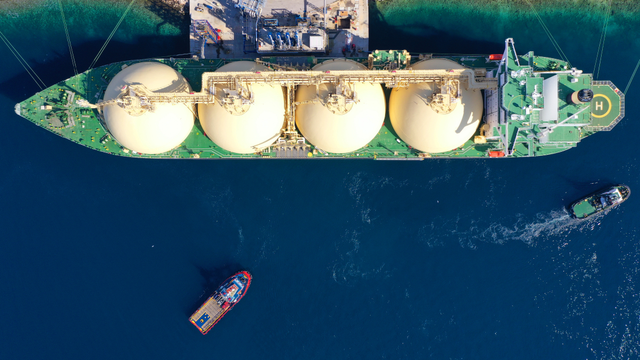
The same principle applies to LNG carrier conversions. Instead of retiring older vessels, developers can repurpose them into floating liquefaction facilities, helping reduce development costs, shorten schedules and promote a more circular approach to energy infrastructure investment.

For investors navigating commodity price volatility, evolving LNG demand forecasts and changing market dynamics, this flexibility carries significant value. FLNG is more than an engineering solution; It’s also a capital allocation strategy that can enhance resilience across market cycles.

A complementary solution for LNG’s future

Taken together, these trends — reduced execution risk, nearshore innovation and redeployable assets — help explain why FLNG continues to gain momentum.

FLNG expands the development toolkit, opening access to gas resources that might otherwise remain stranded, supporting a more resilient LNG supply chain and providing greater flexibility in a rapidly changing global energy market.

So why FLNG now? Because global LNG demand continues to rise while project developers face increasing pressure to deliver supply faster and with less risk. Nearshore FLNG is proving that LNG infrastructure can reduce environmental impacts, work alongside communities and remain commercially competitive. Redeployable assets are changing how investors think about capital efficiency and long-term value. And proven technologies such as PRICO, combined with integrated EPC execution, are making floating LNG projects more bankable and scalable than ever.

The conclusion is simple: developers should evaluate FLNG early in project planning, investors should consider its long-term strategic advantages, and policymakers should recognize nearshore FLNG as a viable pathway for responsible energy development.

As the global LNG market evolves, the projects that succeed will be the ones that adapt. FLNG offers a practical, proven way to unlock natural gas resources, advance gas monetization strategies and strengthen global LNG supply.

In a market defined by rising demand and increasing complexity, it’s a pathway the industry can’t afford to overlook.

Contact us

Looking for a partner in innovation?

Let's talk
2 construction workers at solar site